




Alpine Legends: Forging Your Own Path in the Snow
You’re standing at the top of the slope. A friend is heading off, someone is still tightening their bindings. You have an idea of where you want to go. Whether the snow cooperates is something you’ll find out along the way.
Sometimes, all that remains of a day like that is a single turn. A trick you worked on for a long time. Or the laughter after an attempt that turned out quite differently than planned.
Over time, everyone develops their own way of being in the mountains. Shaped by the people you ride with. By the things you try out. And by those who show you what else might be possible.
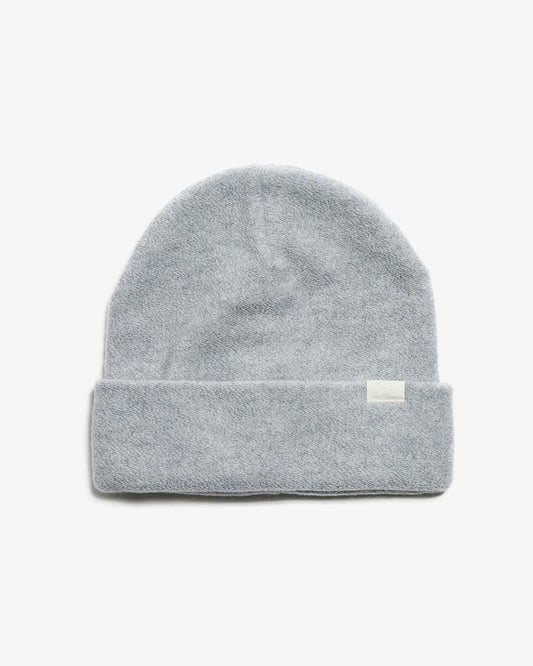
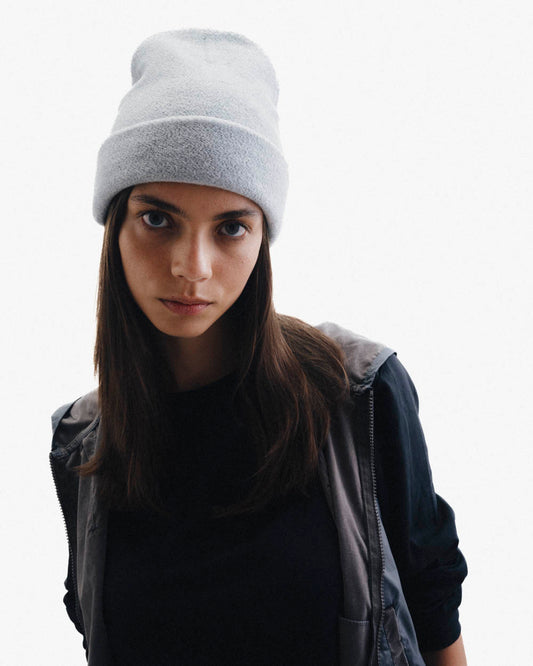
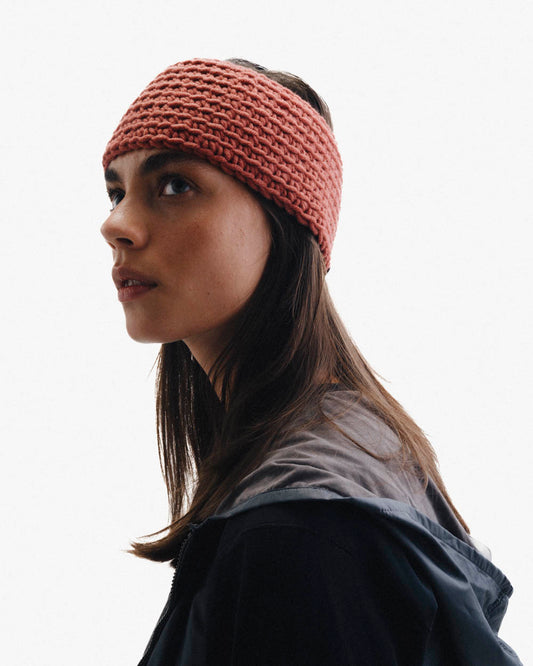
Alpine Legends captures three stories from this mountain culture: two beanies developed together with Didier Plaschy, a tribute to ski pioneer Roger Staub, and the return of a familiar beanie design from winters past in Switzerland.
Didier Plaschy: Finding Your Own Way
If you listen to Didier Plaschy on TV, you’re experiencing someone who looks closely. He explains movements, questions decisions, and says exactly what he thinks. We like this approach. Perhaps also because we recognize in it a piece of our Valais home. But behind his analyses lies his experience as a racer and coach: two World Cup slalom victories, the 1998 Olympic Games in Nagano, and later his work with athletes like Loïc Meillard, Ramon Zenhäusern, and Daniel Yule.
His story becomes particularly interesting where the usual routines end.
Being a Beginner Again
Daniel Yule talks about balance exercises on a kickboard. On one leg, in ski boots. Ramon Zenhäusern remembers runs on cross-country skis in soft spring snow. Didier presented his athletes with tasks where familiar skills were suddenly no longer enough.
One of many unconventional training methods with Yule and Zenhäusern
The reactions were mixed. Daniel Yule admits he cursed a lot. Ramon Zenhäusern loved such challenges and developed the methods further with his own ideas. Loïc Meillard also trained with Didier for a time. As Plaschy recounts, he attached a rubber band between Meillard's ski boots to encourage closer ski spacing. Meillard reportedly hated the exercise at first, until he used it to clock a faster training run than without it.
Perhaps you know that feeling when something familiar suddenly becomes difficult again. The first time on a different board. An unfamiliar movement. Snow in which your usual turn doesn't work. You have to change something, even though the new way feels worse at first than the familiar one.
Sometimes it helps to have someone looking on from the outside. A friend who observes your approach. A tip on timing. Or the shared realization that you need to rebuild the landing before the next attempt makes sense.
In snowboarding, a lot of progress happens exactly like this: You try something out, give each other feedback, and adapt. Not everyone needs the same tip. What works immediately for one person might need more time or a completely different approach for someone else.
Didier's work shows how different these paths can look. And how much can come from it when someone introduces a new idea and you are willing to give it a chance.
A Connection from the Valais
Our connection to Didier goes back to the sports school in Brig. Mat and I were there as snowboarders; Didier later worked at the same school as a ski coach. Different disciplines, connected by snow, competitions, and life in the mountains.
Years later, Didier suddenly stood in our office in Visp. He was looking for beanies for his work as a TV commentator, liked HAE, and wanted to buy some. We gave them to him for free. Since then, he has worn them regularly in front of the camera without asking for a fee.
DD with an HAE beanie and a clear opinion.
From this uncomplicated connection, two joint beanies have now emerged. For us, this is also a thank you to Didier. For you, they are two hats with a story that tells of forging your own path and the joy of experimenting.
Discover the two Didier Plaschy beanies.
Roger Staub: What Else Is Possible on Snow
Long before snowparks were part of ski resorts, people began trying out new movements on skis. They played with balance, spun, jumped, and turned the slope into a place for their own ideas.
One of these people was Roger Staub.
Roger Staub on the news.
The native of Arosa won Olympic gold in the giant slalom in 1960. He had already won three medals at the 1958 World Ski Championships. After his racing career, his path led him to Vail, Colorado, among other places. Together with Art Furrer, he was one of the Swiss pioneers of "trick skiing" and thus part of the early history of freestyle.
A Movement Can Become Your Own
There is an infectious playfulness in the old footage of Staub and Furrer. Their ski acrobatics show how much expression can lie within a movement. How someone rides becomes a personal signature.
Perhaps this is exactly what excites you about freestyle. You can learn the same trick as someone else and still do it your way. With a different grab, a different rhythm, a detail that feels right to you.
This freedom also shaped the snowboarding we grew up with in the 90s. Self-built kickers, first contests, and friends from whom you pick up a thing or two. Every day, your own style develops a little more.
Staub was on two skis, we were on one board. The connection lies in the curiosity: What can be made of this terrain? Which movement might work? What do I want to try out?
He was one of several pioneers who explored such possibilities early on. To this day, his story can inspire you to discover something new on a familiar slope.
From Experimenting to Tinkering
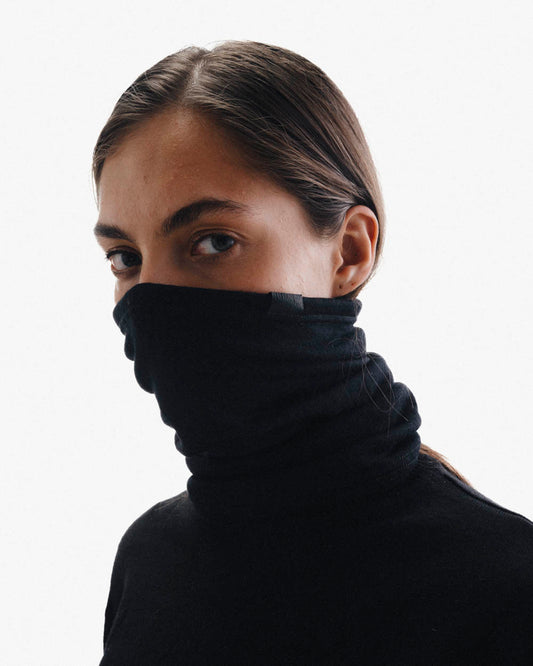
Roger Staub also developed products. The beanie named after him became famous; its brim could be rolled down until it covered the face, leaving only the eyes exposed.
Behind this lies a practical idea: a piece of clothing that changes based on what you currently need.
Anyone who spends a lot of time outdoors knows these transitions. It gets warm on the ascent. Wind picks up at the top. You’re suddenly sitting in the shade on the lift. You adjust your gear as the mountain dictates the conditions.
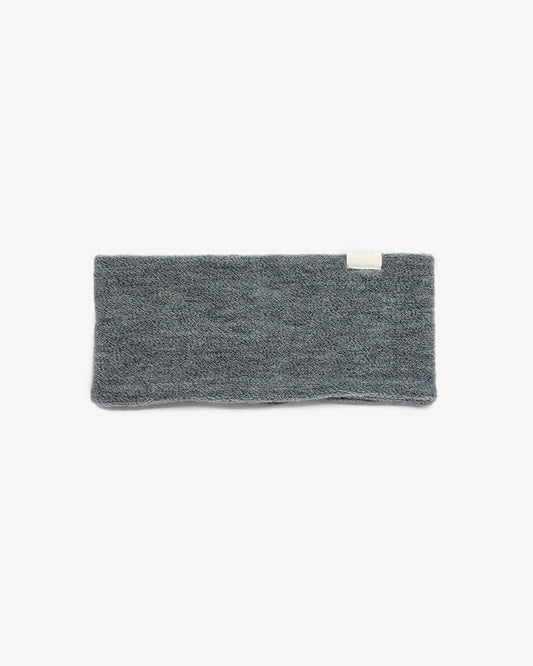
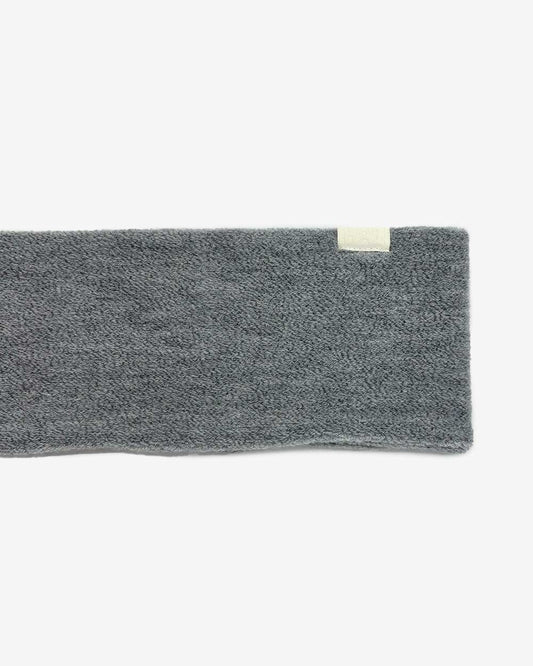
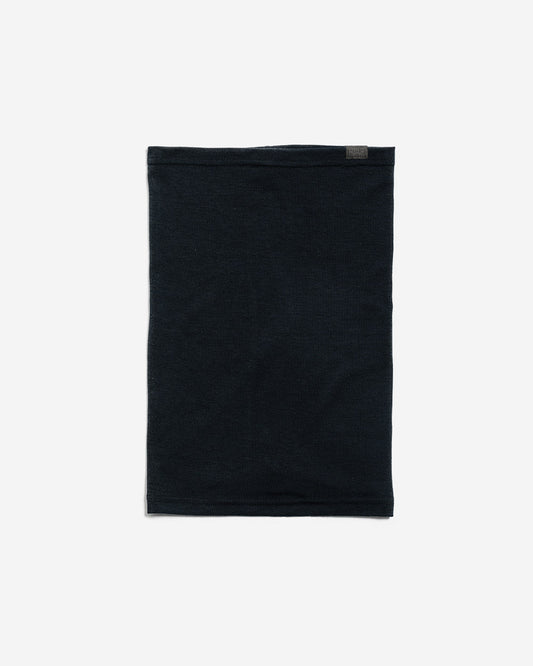
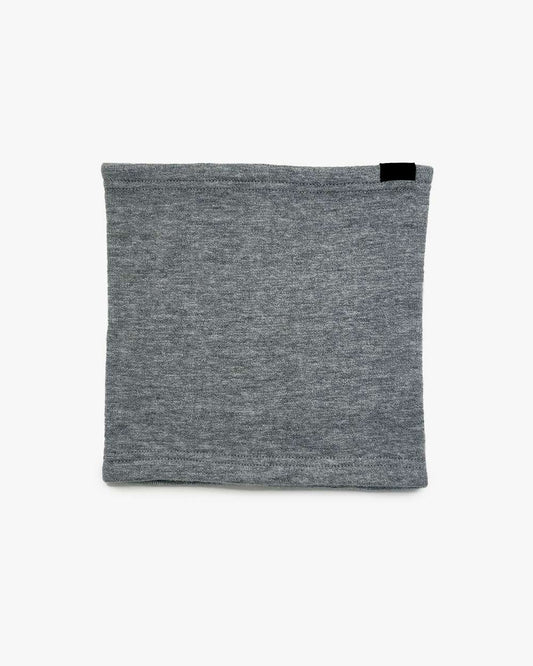
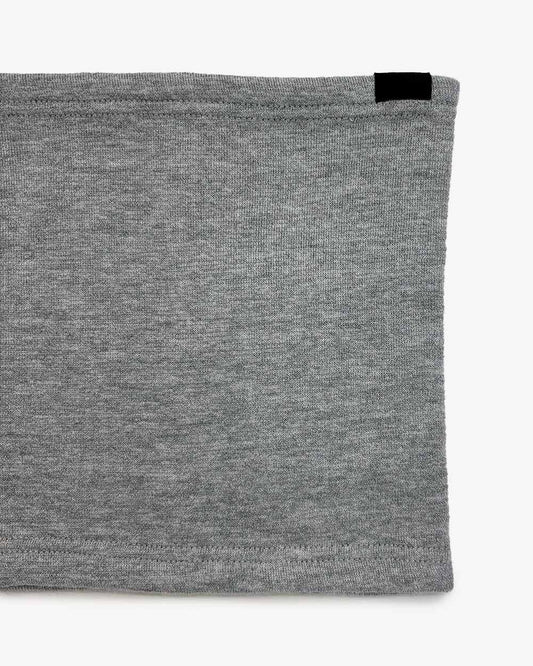
The convertible beanie from Alpine Legends takes up the idea of being able to transform a beanie into a mask when needed. It is a tribute to Roger Staub and his joy in developing his own solutions on snow and in products.
His story rides along with you: as an incentive to stay curious and give your own idea a chance. You’ll find out what comes of it along the way.
Discover the tribute to Roger Staub.
The Bank Beanie Is Back
Maybe you still remember the red, white, and blue beanie of the former Swiss Credit Bank from your first ski vacation. Maybe someone is wearing it in an old family photo.
Our reinterpretation of this familiar design was already available and sold out quickly each time. Now it’s returning. You know best what memories you associate with it.
The Next Day Is Yours
Perhaps there’s a trick you’d finally like to land this winter. Perhaps you want to go riding with old friends more often. Or just spend a day on the snow and only decide in the lift which run comes next.
Didier’s and Roger’s stories show how differently a passion for the mountains can develop. Your own story continues to be written out there.