




The Swiss Alps are our home. This is where our roots are, where it all began. And yet, our love for the mountains always takes us out into the world. To places where snow falls differently, where the unknown calls, where new stories await.
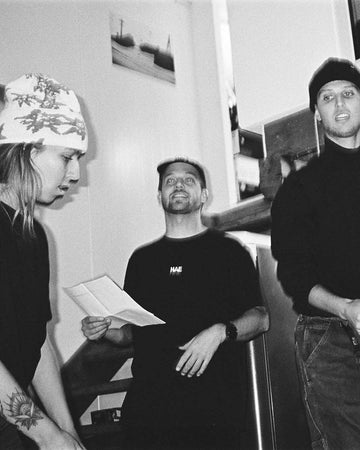
With YUME, a small crew from the Swiss Alps set off for Hokkaido. Along for the journey: skier Pluto Maudsley, photographer Benoît Grandjean, and producer Toby Ryter. What started as a classic powder mission quickly turned into something completely different. An injury changed everything.
YUME is a dreamlike journey through the snowy mountains of Japan, inspired by the legend of Baku-san, the creature that devours bad dreams. The film blurs the lines between real moments and surreal images, telling how dreams can influence our feelings, movements, and creations.
In an interview, producer Toby Ryter talks about what it's like when a dream shatters – and something deeper emerges.
You flew to Hokkaido in search of the perfect snow dream. Ten days later, you mention unease in your film description. What exactly happened?
We flew to Hokkaido with a big dream. Japan had been a long-time wish of ours, and with the project name YUME, which means dream in Japanese, many things just fit together. We arrived at the end of January, Pluto as the skier, Ben as the photographer, and I as the filmmaker. It was one of the snowiest winters in decades. For the first four days, we went all out. Long days outdoors, filming, photographing, and sleeping in the camper. On the fifth day, we were at a ski resort for the only time, and that's where everything changed. Pluto crashed and hit a tree head-on. He broke his femur and had to spend two weeks in the hospital in Kutchan. From then on, nothing went according to plan. The original film was essentially over. In the end, YUME was almost entirely created in five days in Japan and completed months later on a long summer day in Gstaad. Instead of chasing the perfect snow dream, the film moved in a different direction. Away from the classic ski story, towards something more dreamlike. More feeling, more atmosphere. The film emerged from this state of suspension.

You were under extreme pressure. What creative freedom did this injury unleash? How would the film have been different otherwise?
It's funny you ask that, because right upon our arrival in Japan, Ben told us about the legend of Baku-san, the creature that devours nightmares. At the time, we quickly dismissed the idea. We were fully focused on skiing, lines, and snow, but we already had the feeling that we wanted to play with a dream. After Pluto's accident, the focus shifted completely. The pressure and the situation created space to delve deeper into Japanese culture. Suddenly, the story had time to unfold. The idea of Baku-san came back, not as a concept, but more as a feeling that hovered over the film. Without the accident, we would certainly have worked with a dream, but the film would have remained much more universal. The Japanese layer would have been missing. The language, the atmosphere, and especially the Japanese voice-over, which for me, truly gave the film its authenticity and uniqueness. It was precisely these influences that ultimately made YUME what it is.

The legend of Baku-san is more than a narrative device. What personal fear or inner theme did you consciously or unconsciously project onto this figure?
The story of Baku-san simply fit us extremely well. He devours nightmares and leaves you with beautiful dreams. However, if you call him too often, he eventually devours memories and future dreams too. It was this ambivalence that fascinated us. Our interpretation of it is quite clear. If you push things too much and always narrowly escape, there will eventually be consequences. Not as punishment, but simply as part of the whole. I wouldn't say that we consciously went too far in Japan, but skiing is dangerous, and injuries are part of it. In that sense, Baku-san also contains our own grappling with risk, control, and letting go. A reminder that you can't force everything, no matter how much you pursue a dream.
The off-voice is incredibly good. Is it AI or who voiced it?
Initially, the entire voiceover was in English and with an AI voice. On paper, it worked, but in the film, not at all. It felt too clean and somehow wrong. While we were in Japan, we met with photographer Yasukuki and his wife Ran for coffee. I asked Ran where she was from, and she told me she grew up in Germany and works as a sound designer. That encounter stuck with me. It wasn't until summer, when we were still working on the film, that this scene came back to my mind. That's when I had the idea to ask Yasukuki if he could imagine doing the voiceover in Japanese. A week later, he sent me the recording, and he absolutely nailed it. We were extremely happy. Only then did the film truly feel coherent and authentic to us.

Many in our community compare Japan and the Swiss Alps through the snow. I'm interested in something else: how does the approach to risk, accidents, and control fundamentally differ?
In terms of terrain, we felt quite comfortable in Japan at first. The faces are smaller, and you ski a lot in the forest, which quickly gives a sense of control. At the same time, we learned that trees there are extremely hard, and mistakes can have very direct consequences. We knew that Search and Rescue in Japan can take longer and that the language barrier plays a role. When things got serious, this was confirmed. Communication was difficult, and it took a long time for help to arrive. In the end, a single ski patroller came first to assess the situation before the rest of the team was called in. What particularly stuck with us was the rescue itself. There were no painkillers, and Pluto had to be brought down in a rescue sled through deep powder and steep terrain. At that moment, we realized how different the handling of risk, control, and emergencies can be. Not better or worse, just different.
YUME is not a "fast, loud pow film." Fewer lines, fewer hero moments, much more atmosphere and incredible storytelling. Was this a conscious counter-position to classic ski films and planned from the beginning, or simply the most honest form for this trip?
Exactly, that was quite deliberate. YUME is our second short film, and we said from the start that we wanted to do something different. Many larger ski films follow a similar formula. Storm chasing, riding big lines, always higher, always faster. That's impressive, but for many people, it's also hard to grasp because the skill level behind it is difficult to estimate. It was important to us to make a film that even people outside the pure ski bubble could watch and that would still keep them engaged. Less about hero moments, more about mood, rhythm, and feeling. That's why the film became somewhat calmer and more artistic, with less skiing and more room for interpretation. So, it wasn't just the result of circumstances, but the most honest form for this trip and for what we, as a team, wanted to tell. I wanted to create something that has depth and evokes something, even after the credits roll.

Hand on heart: Was there a moment when you thought, "Why the hell are we making a film here instead of just skiing?"
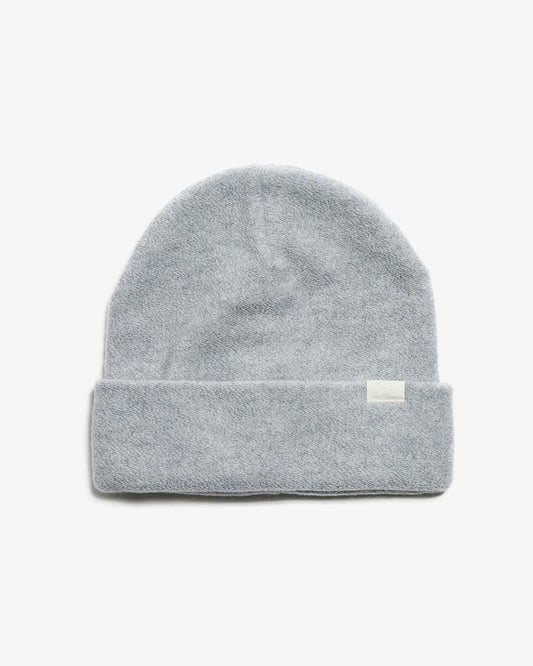
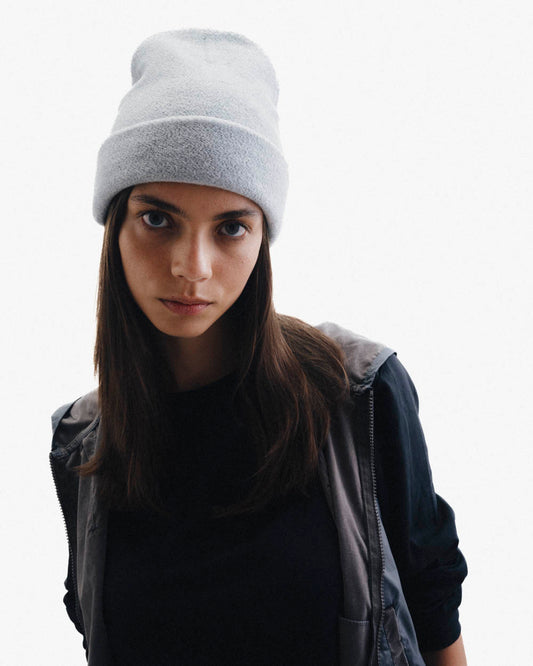
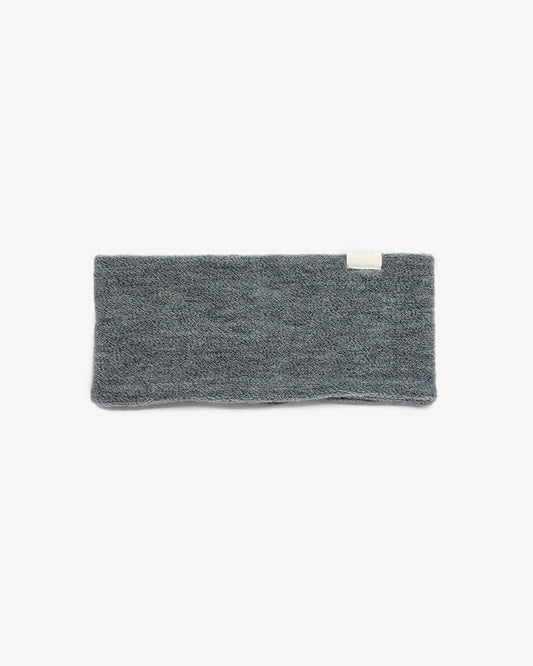
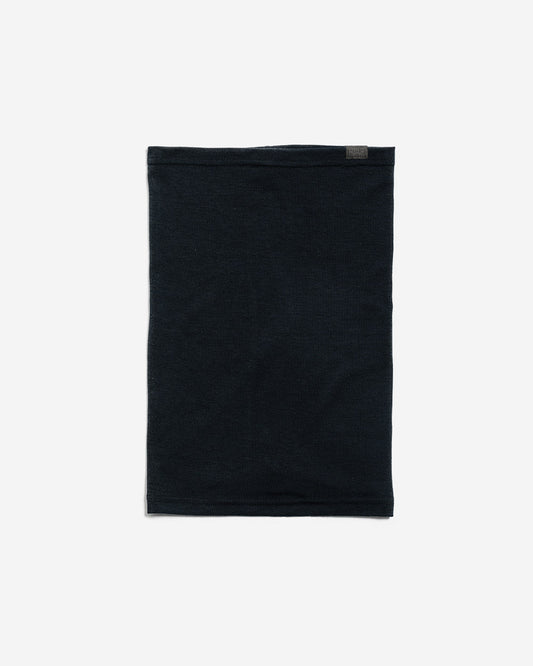
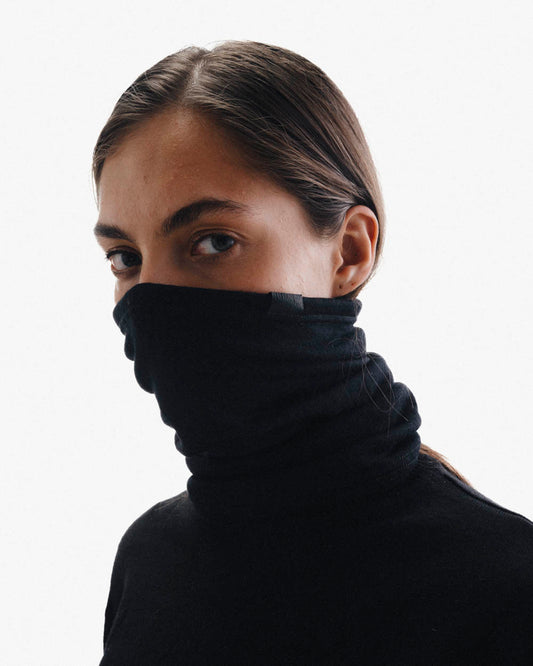
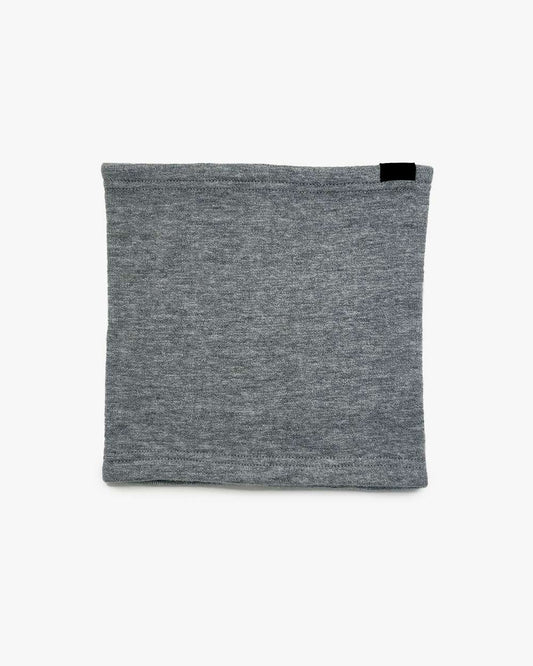
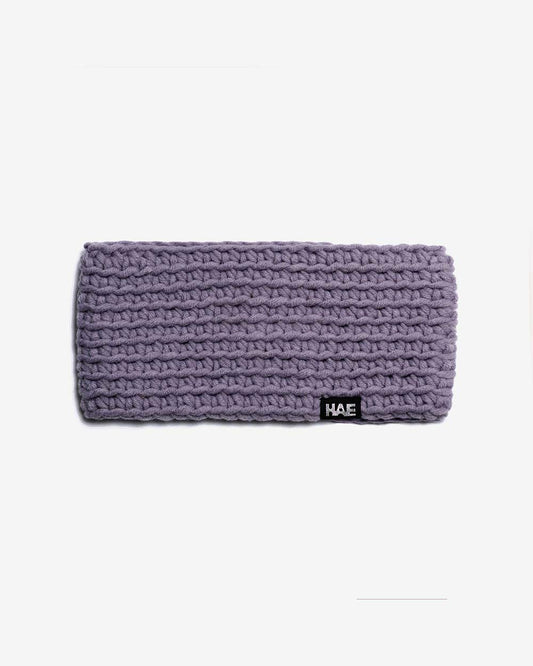
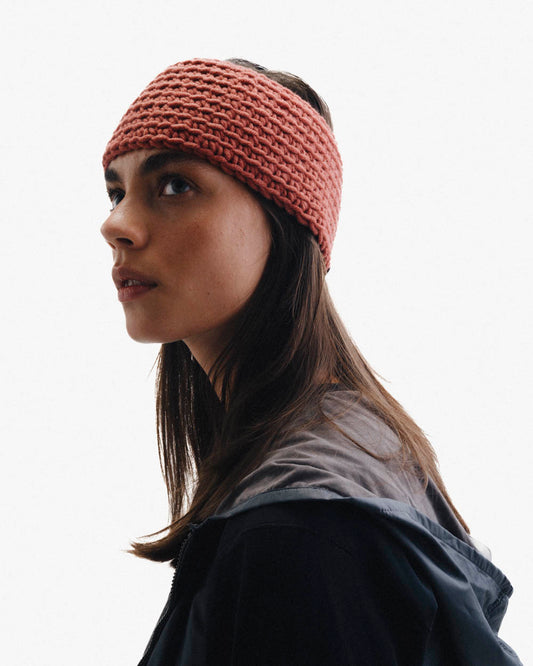
Haha yes, that moment usually happens at least once during every shoot. And especially after the accident. The motivation drops for a moment, and you wonder why you're putting yourself through all of this instead of just skiing and enjoying the moment. At the same time, we also know why we're there. When we're filming, we try to gather as many good moments as possible and not lose focus. After the accident, Ben and I took a day off to calm down a bit and then went back to filming. At the very end of the trip, we consciously took another day to just ski at the resort. Without a camera, just for fun. And at the latest when the film is finished and you see how many people enjoy it, you know again that all the effort was worth it. Finally, a big thank you to the HAE team. Your neck and headwear were constantly in use throughout the trip and kept our heads and necks warm. Without you, we would have definitely frozen. ;) Thanks for the support. <3
You're very welcome! Thanks for your support and congratulations again on this masterpiece!