



Where do Valais Blacknose sheep come from?
The most well-known breed, the Valais Blacknose sheep, originated in the 15th century in Upper Valais. In the remote Alpine valleys, it developed through crosses of Vispertaler sheep, Älwen, and other local breeds. Its particular suitability for high mountains contributed to its survival to this day. In 1962, the breed was officially recognized.
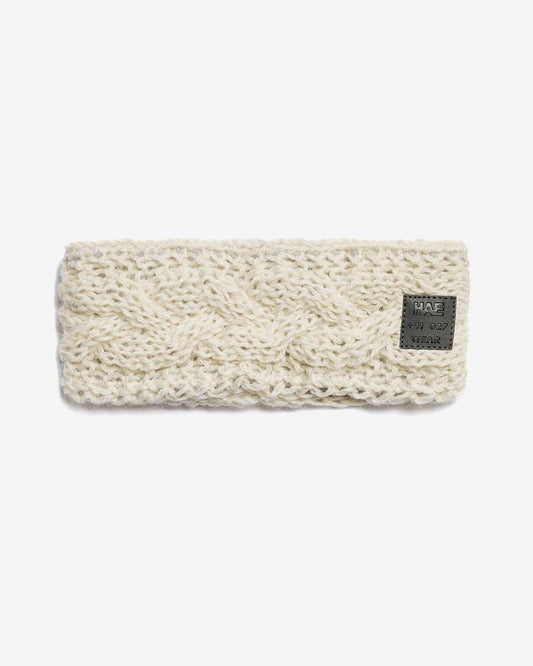
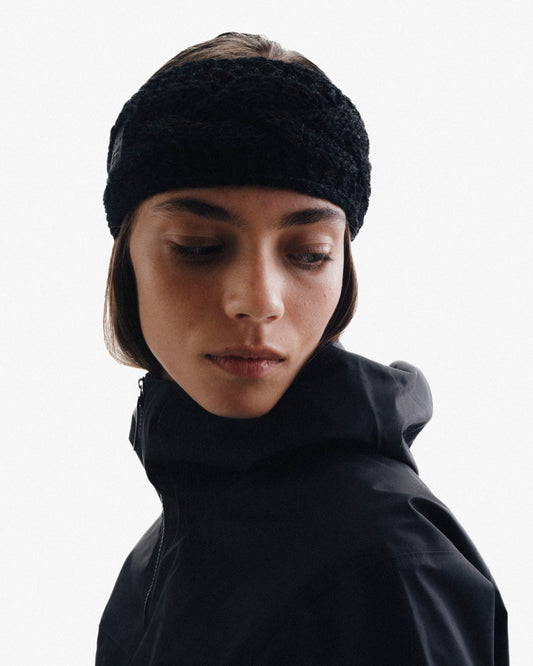
The Local - Valais Blacknose Sheep Headband


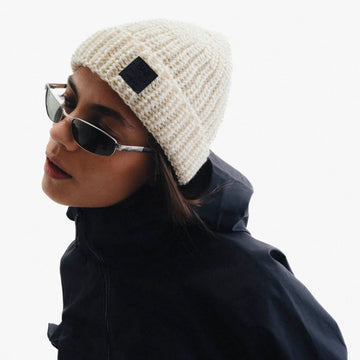
The Local - Valais Blacknose Sheep Beanie
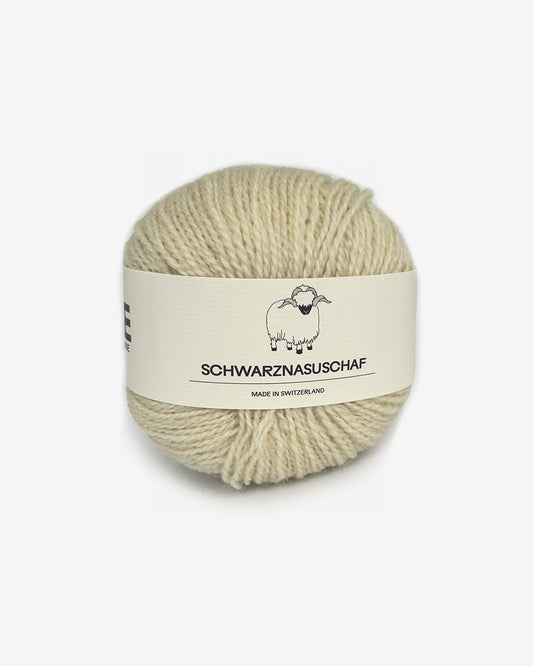
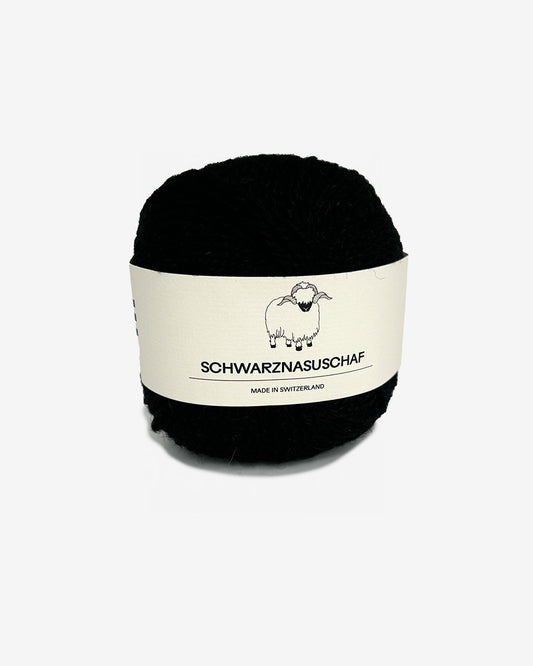
Chlunschi Blacknose Sheep
What does a Valais Blacknose sheep look like?
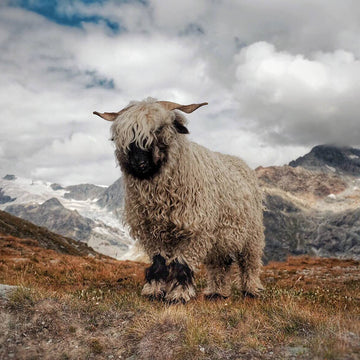
Its contrasting appearance is typical: a white base color with deep black markings on the nose, eyes, ears, knees, hocks, and feet. Both sexes have twisted, spiral horns. The animals are medium-sized, compactly built, and fully fleeced – including on their faces and legs. Rams reach a weight of 80–100 kg, ewes 70–80 kg.
What is the behavior of these animals?
Valais Blacknose sheep are considered friendly, curious, and very tame. They are social, live in stable group structures, and exhibit strong maternal instincts. Their hardiness and sense of orientation make them ideal animals for steep, impassable alpine pastures. Despite their robustness, they are sensitive to heat and require shade and fresh water in summer.
What kind of husbandry is species-appropriate?
These sheep are adapted to high altitudes and sparse feed. Ideally, they spend the summer on alpine pastures above 2,000 meters. In winter, they need a well-ventilated barn with dry bedding. They primarily eat hay from lean meadows, leaf hay, and leaves from lime, maple, and ash trees. Silage and grain meal can be sparingly supplemented.
Care & Health Precautions
Care includes regular hoof checks, especially in humid environments, as well as clearing the horn base for ventilation. Shearing is performed twice a year. When kept in a barn, dry air must be ensured, as humid conditions can make the animals more susceptible. Their resilience is high, but as with all mountain sheep breeds, parasites should be monitored.
How does breeding work?
Valais Blacknose sheep can be bred flexibly as they are seasonally receptive. First lambing should occur at approximately 18 months. Ewes give birth to an average of 1.5 to 1.6 lambs per year. Twin births are common. The animals are characterized by good maternal qualities and a calm birth.
Breed Standard & Breeding Goals
To preserve the typical characteristics, the breeding association sets clear standards. The aim is a large-framed, harmonious mountain sheep with a resilient build, good milk and meat production, and the characteristic color markings. Uniform white fleece wool and spiral horns are also breeding goals, as is full wool coverage.
Wool from the Valais Blacknose Sheep
The wool of the Valais Blacknose sheep is one of its most striking features. Although it is coarse and rough, it offers versatile uses and is increasingly being used for sustainable products.
Wool Properties
The wool is coarse, long-fibered, and interspersed with kemp. Rams yield approximately 4 kg annually, ewes about 3.5 kg. It is less suitable for clothing but ideal for insulation materials, felt products, or seat cushions. Its robustness makes it a durable natural material.
Locally Produced Products
In Switzerland, high-quality products made from Valais Blacknose sheep wool are increasingly being produced. Examples:
-
"The Local" Beanie (CHF 59.90): 100% Valais Blacknose wool with polar fleece lining
-
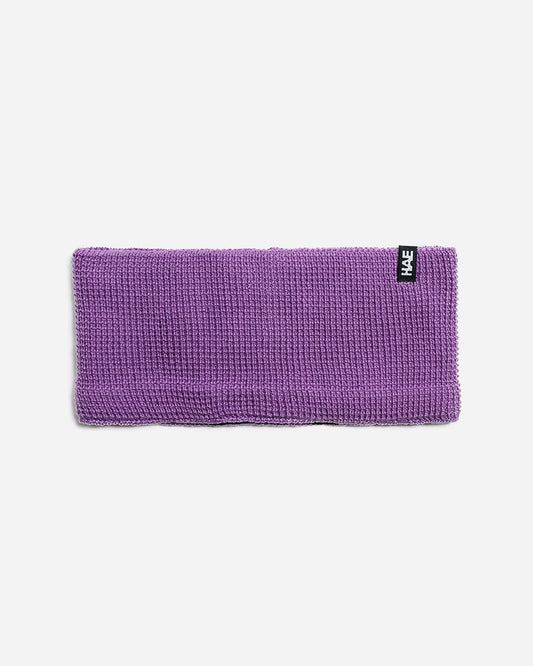
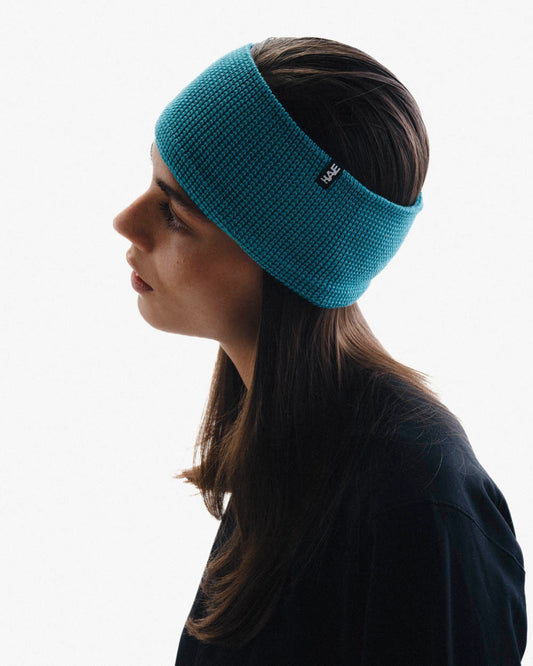
Valais Blacknose Wool Headband (CHF 49.90): also lined, in natural or black
-
"Chlunschi" Yarn Ball (CHF 8.90): undyed raw wool for knitting projects
These products stand for sustainability, alpine origin, and local craftsmanship.
Benefits: Meat, Wool & Landscape Management
The Valais Blacknose sheep impresses not only with its appearance but also with its benefits for humans and nature. It provides meat, wool, and actively contributes to landscape management in the Alps.
The meat of the Valais Blacknose is considered fine-fibered and aromatic. The breed is also excellently suited for alpine landscape management: it grazes even steep, rocky areas, thus preventing scrub encroachment. Its wool serves as a natural, regional product for various purposes.
Challenges & Future of the Breed
Despite growing popularity in tourism and hobby breeding, challenges remain: inbreeding, climate change, and economic pressure from high-performance breeds. Nevertheless, the strong demand for sponsorships, regional products, and tourism offerings such as "Meet the Sheep" shows that interest in this breed is increasing.
Most Important Insight about the Valais Blacknose Sheep
The Valais Blacknose sheep is a robust, original sheep breed with a unique appearance and high cultural value. It provides coarse but versatile wool, serves alpine landscape management, and stands for sustainable use in a modern world.
Frequently Asked Questions
Valais Blacknose sheep are fascinating animals – but many people have specific questions before getting involved. Here you will find answers to the most important topics.
What is special about the Valais Blacknose sheep?
It is the only sheep breed with a black nose, spiral horns, and a completely wool-covered face. It is also extremely mountain-savvy and social.
How much does a Valais Blacknose sheep cost?
Depending on the bloodline and age, an animal can cost between CHF 300 and CHF 1,200. Breeding animals with papers are more expensive.
Is the Valais Blacknose sheep suitable as a pet?
In small herds, yes. It is very tame and friendly but requires a lot of space, conspecifics, and knowledgeable care.
How often is the wool shorn?
Twice a year: in spring and autumn. Shearing serves both wool production and animal health.
How many lambs does a ewe have?
On average 1.5 to 1.6 lambs per year. Twins are common.
Where can you see Valais Blacknose sheep?
For example, in summer on the Gornergrat at "Meet the Sheep." Some breeders also offer barn visits.
Further Links:
Thin Beanie | Buy a Beanie | Men's Beanies | Women's Beanies | Sports Headband | Women's Headband | Kids' Beanie | Crochet a Beanie | Knit a Headband | Crochet a Headband |
Beanies | Neckwarmers | Headbands | Masks | Handmade | Kids | Limited Editions | Caps | Shirts | Hoodies | Accessories | Second Line |
Let customers speak for us
Mir war gar nicht bewusst, das es handgehäkelt ist. Erst beim Auspacken auf dem Hangtag den Namen der Häklerin entdeckt.
Das Headband ist mega angenehm und nimmt kaum Platz weg in meiner Jackentasche. Ich ziehe es oft am Morgen auf dem Velo an, passt auch gut unter den Helm

Top Qualität der Materialien und Verarbeitung, cooler Style und sitzt wie angegossen! Nach einem ganzen Tag Tragen drückt sie bei mir allerdings leicht auf die Ohren. Ansonsten bin ich rundum zufrieden.

Das Cap ist super, sehr gute Qualität und schön verarbeitet! Passt genau! Bin sehr zufrieden.

Super Shirt sehr stylish

Super Shirt, auch nach x mal waschen 1a

D' JAZZER BEANIE - MERINO isch süper flauschig und fühlt sich dadurch extrem bequem an auf der Haut, inklusive guter Halt, und isch au no stylisch!
Und das wichtigste - sie hält richtig warm...
...isch zu minera Liablings Kappa ufgschtiga :-)
Danka vilmol Team HAE

Prompter Lieferung trotz falscher Bestellung über E-Mail.
Wurde sofort korrigiert und die richtige Mütze geliefert.
Sowas tolles habe ich noch nie erfahren.
Qualität sehr gut.
Werde Euch HAE weiter empfehlen.

Das Häkel-Set war ein Geschenk für eine gute Freundin. Sie ist eine talentierte "Häklerin", deshalb fiel die Wahl auf das "Verdrehta". Sie hat sich riesig darüber gefreut.

Wunderbar warm, schön flauschig und nett anzusehen. Was will man menr

Ich trage "The Mask" schon seit mehreren Saisons. Die Qualität ist top!
Mit "The Mask Kids" wird es nun auch meinem Sohn nie kalt!

Auch ich - sowie mein Sohn mit dem Kids-Modell - liebe meine neue Mütze!

Mein Sohn liebt seine neue Mütze!
Am liebsten würde er sie auch beim Schlafen tragen 😉

Super weicher Stoff, sehr warm und genügend gross für alle Tragearten.

Fällt wenig grösser aus. Sehr angenehmer Stoff und kuules Design.

Einmal mehr ein tolles Teil von Hae. Mein alter Neckwarmer sah langsam ziemlich abgeranzt aus und habe ihn durch diesen hier ersetzt. Ich hab die Entscheidung nicht bereut. Die Merinowolle ist supersoft und flauschig und der Wärmegrad ist genau richtig (der alte Warmer war eher auf der zu heissen Seite).